Read the landscape.
Begin with contours, paths, water, and the relationships that give a place its character.
Computational Implementation
for Landscape Design
From Design Intent to Executable Systems.
Design is all you need.
01 / About me
 Email: luoxie@ethz.chGitHub: LuoxingTshe ↗
As a landscape-oriented computational design researcher, I work with a background in landscape architecture, landscape geography, and Geographic Information Systems (GIS).
My work explores how spatial analysis, computational methods, and research software engineering can support landscape design and research. I develop tools and workflows that translate spatial relationships, design principles, and domain-specific knowledge into computational processes.
My research interests span GIS-based landscape analysis, parametric design, spatial evaluation, and the digital interpretation of traditional landscape-making practices.
At the heart of my work lies a recurring question:
How can landscapes be quantified, what should be quantified, and what must remain beyond computational evaluation?
I believe computation should expand the possibilities of landscape thinking, rather than replace the judgment, experience, and cultural understanding that give landscapes meaning.
That is 'Design is all you need', and coding is what I do.
02 / Concept
A simple sequence for turning a landscape idea into an adaptable design.
Begin with contours, paths, water, and the relationships that give a place its character.
Turn an intention into parameters and relationships that can be tested and compared.
Explore variations, review their spatial qualities, and return what is learned to the design.
Illustrative concept · A framework for future case studies.
Loading terrain studies…
Projects / 01
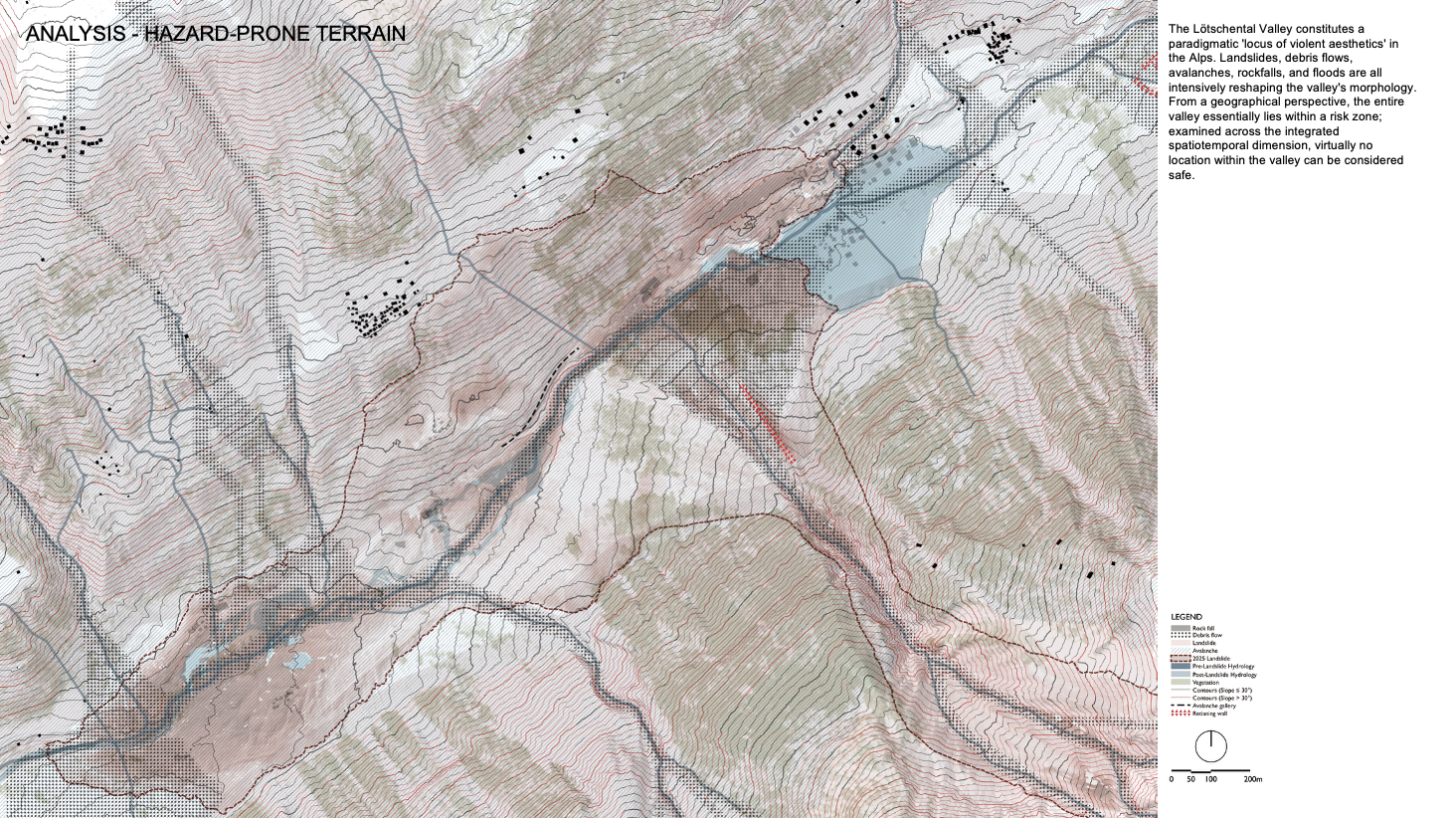
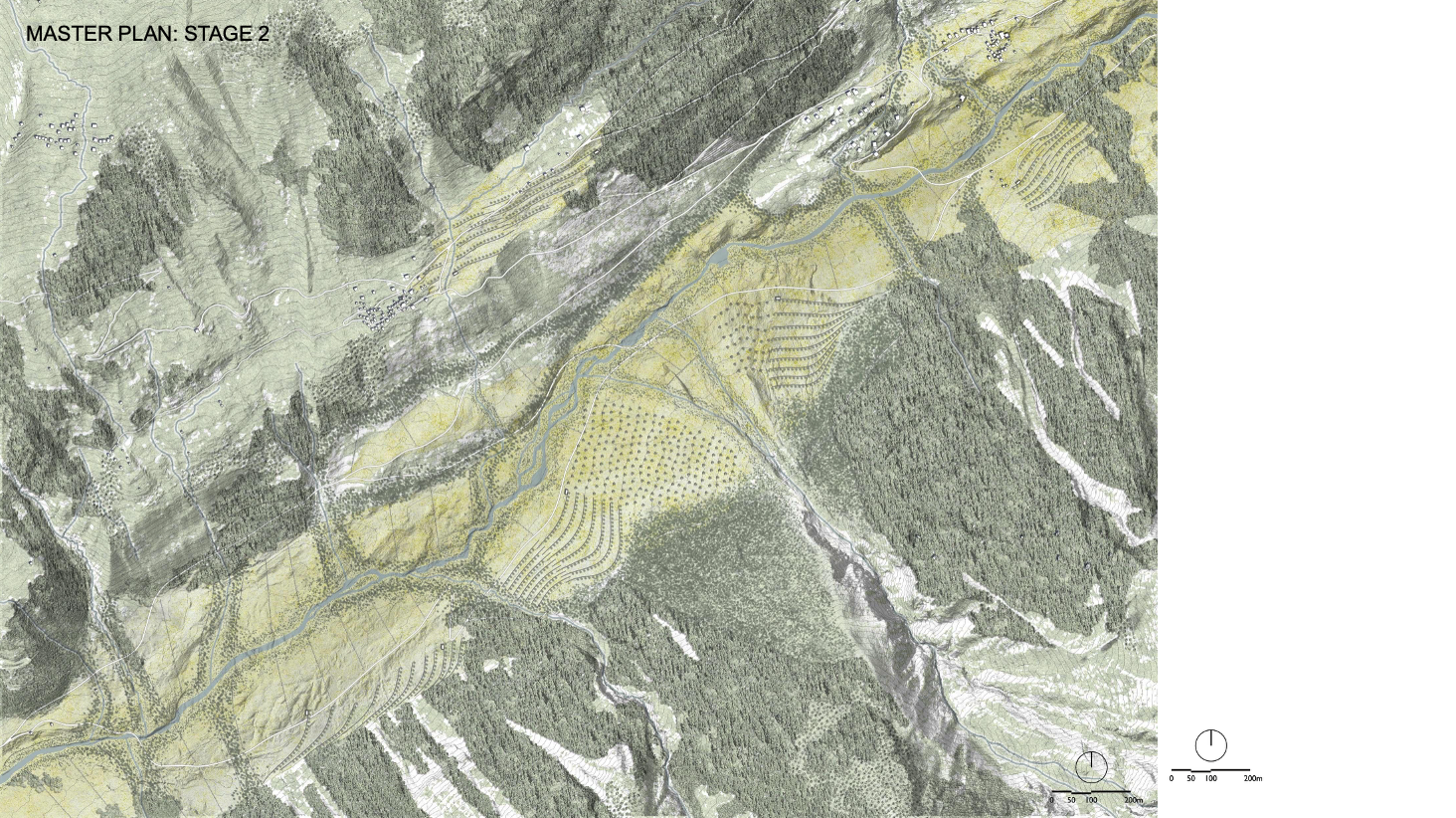
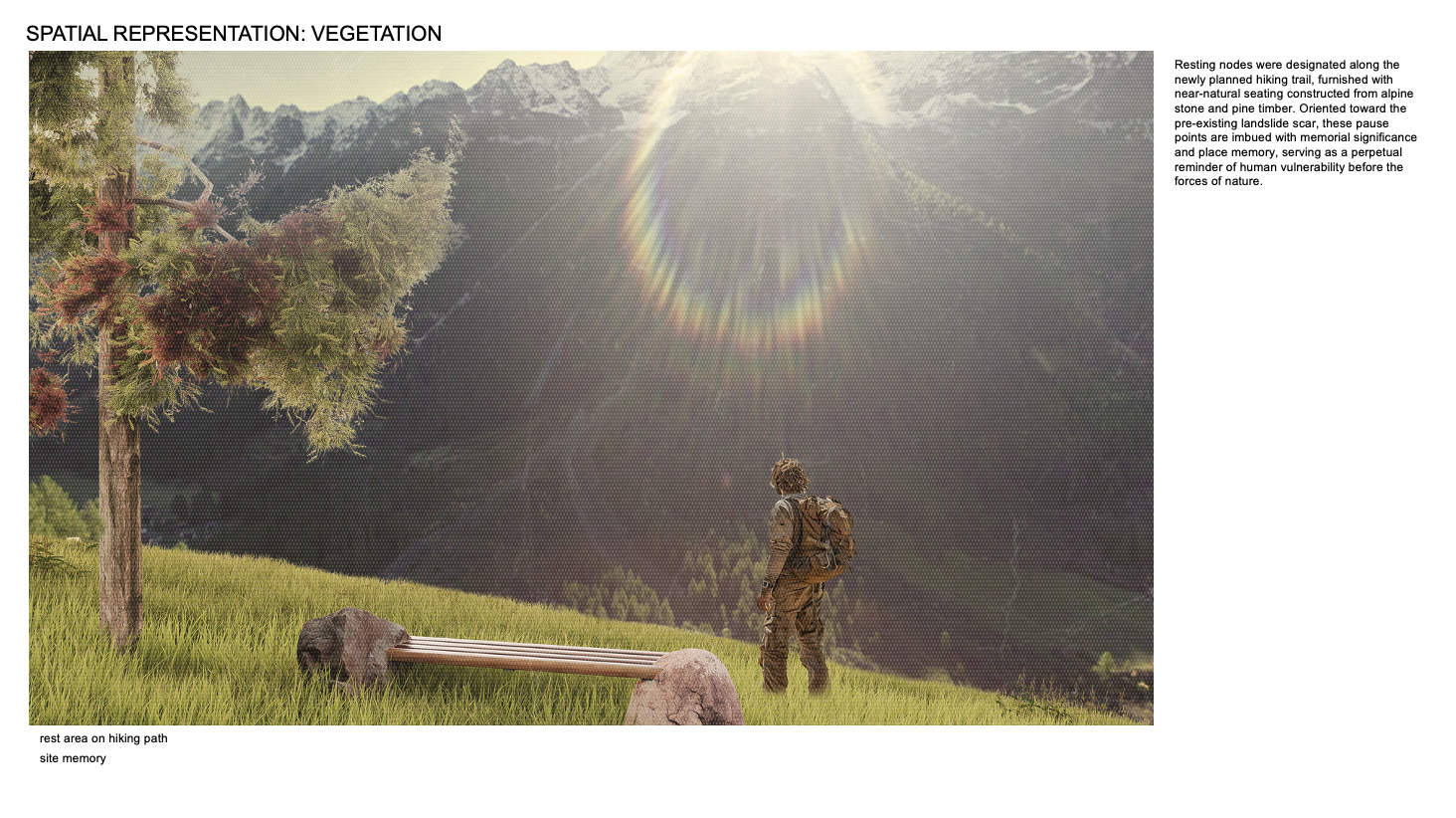
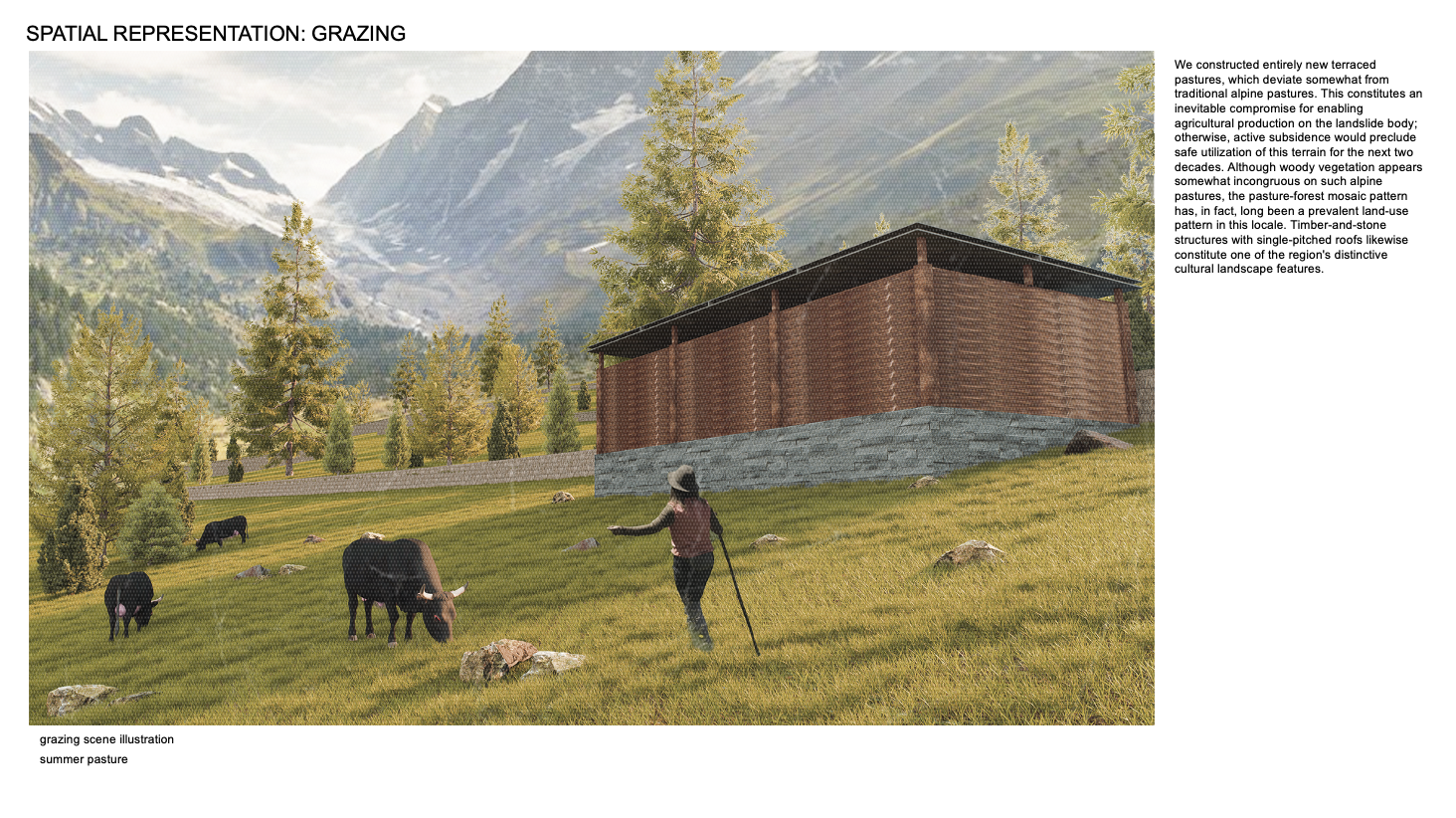
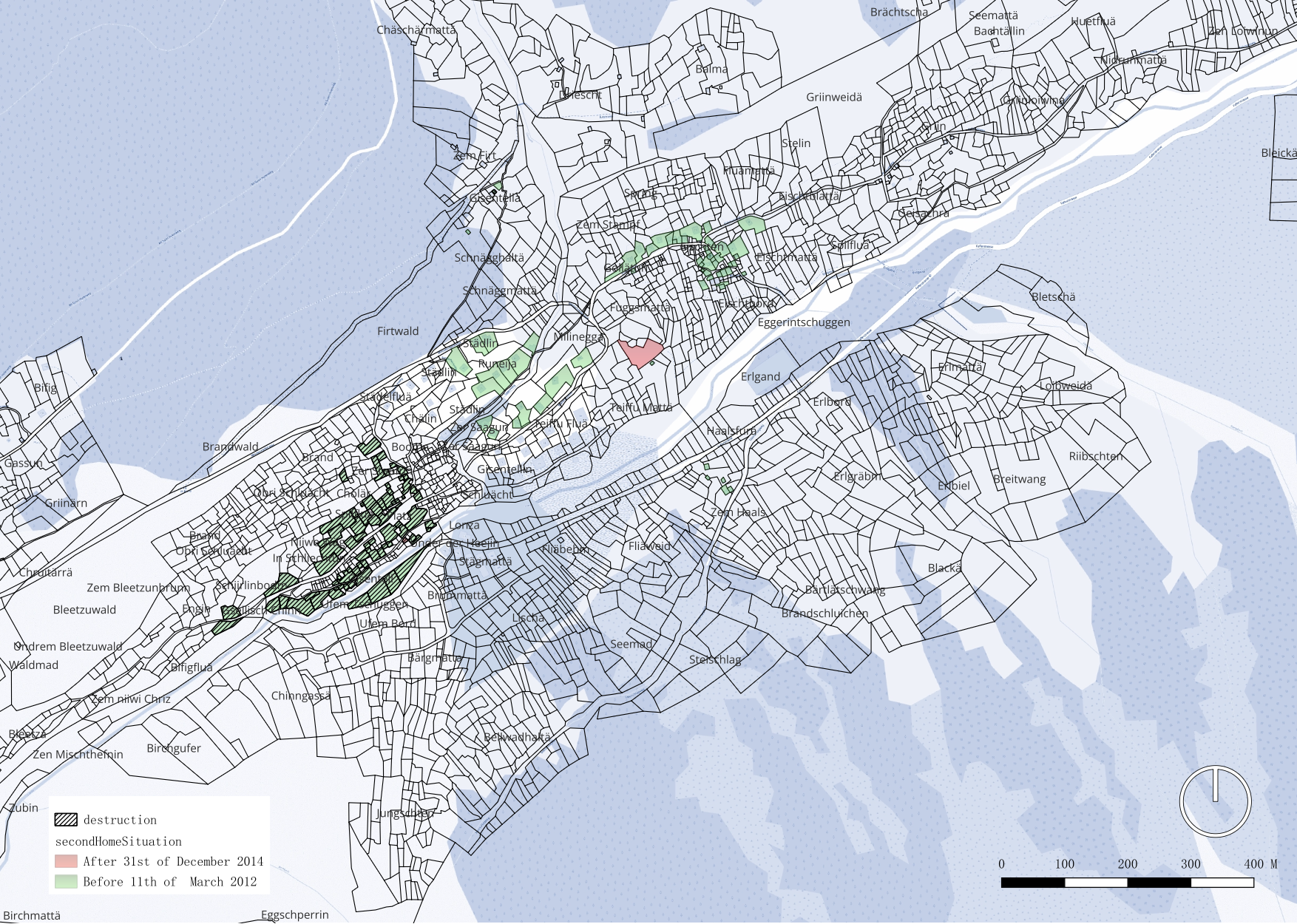
A valley-scale landscape plan for the post-disaster reconstruction of Blatten, grounded in the characteristic Alpine cultural landscapes of Valais, Switzerland.
Projects / 02
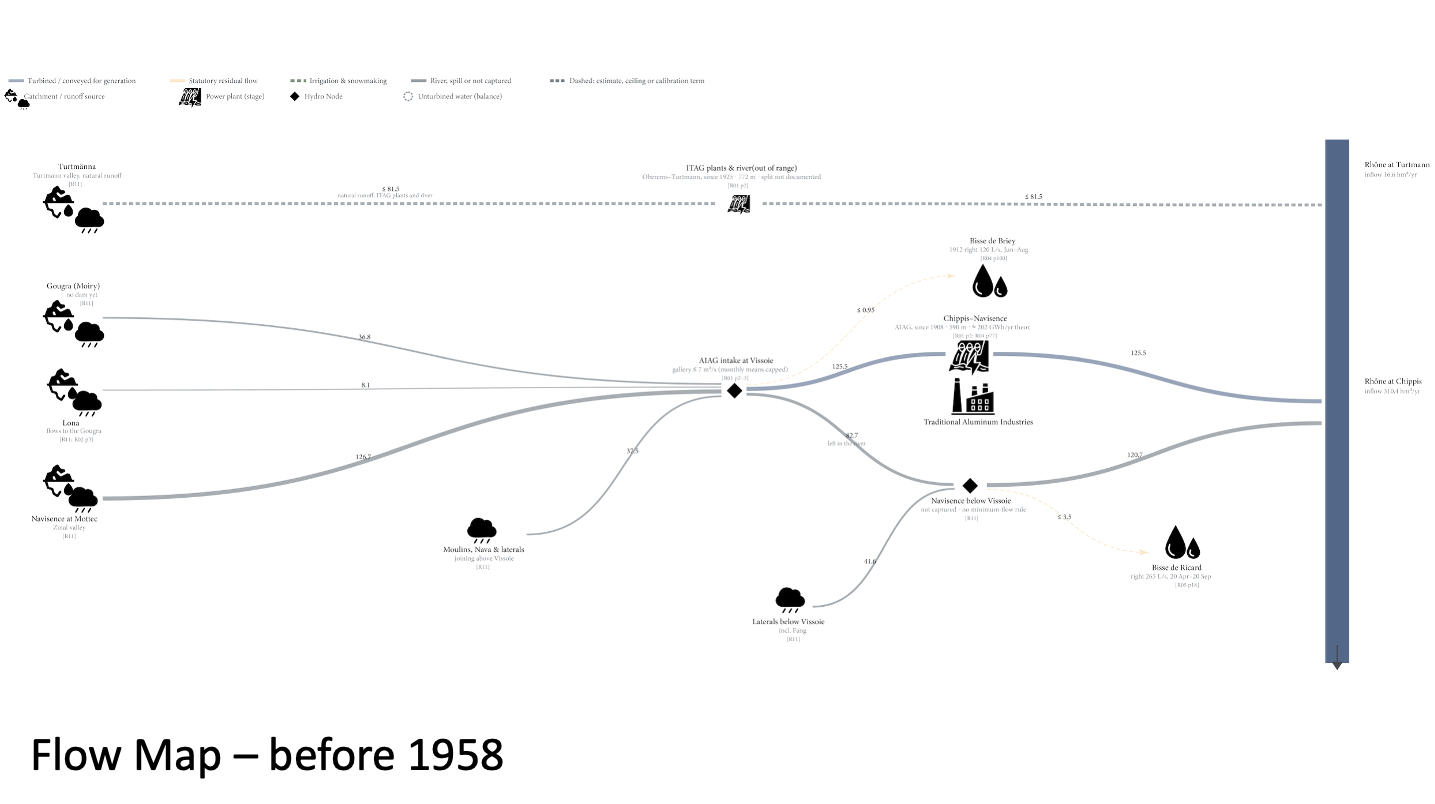
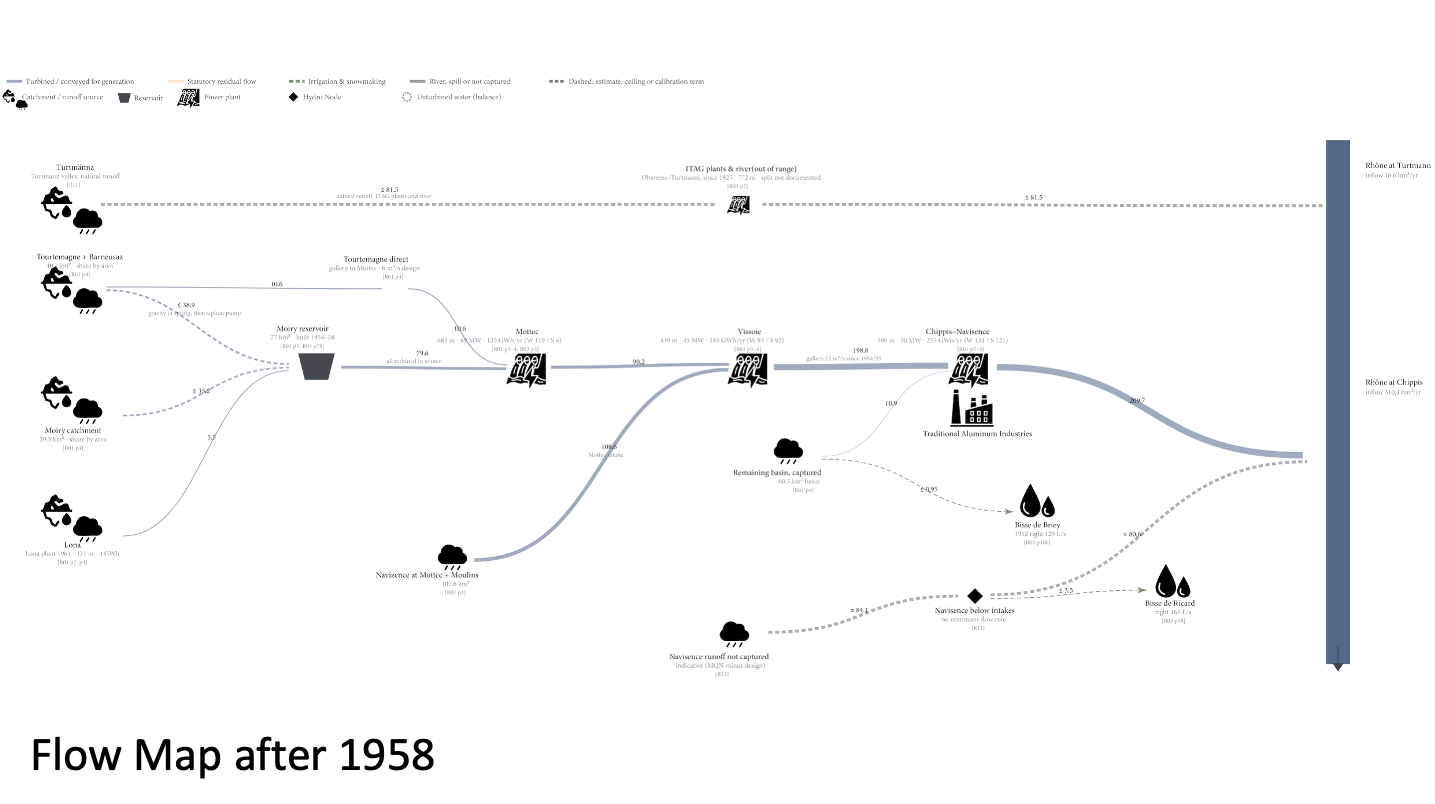
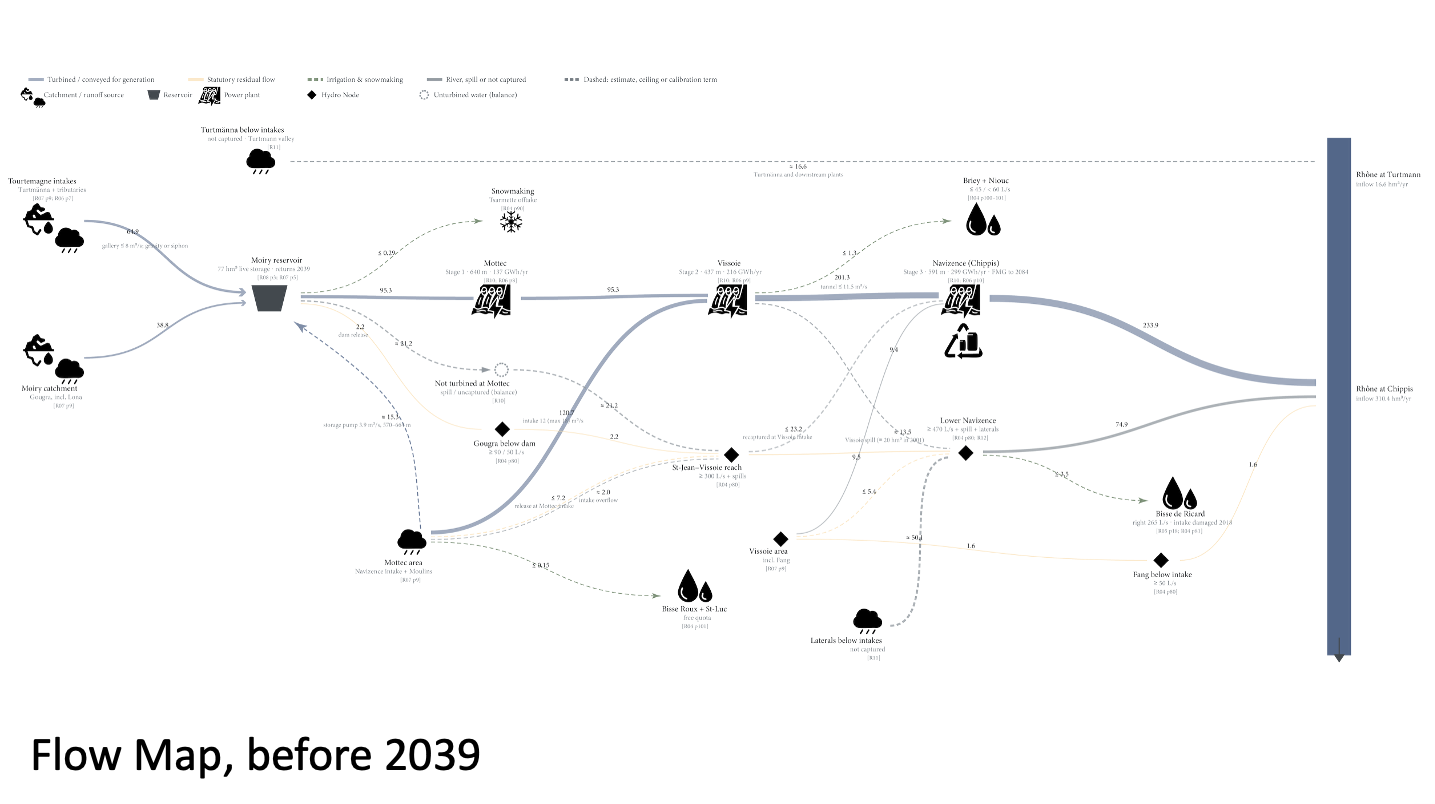
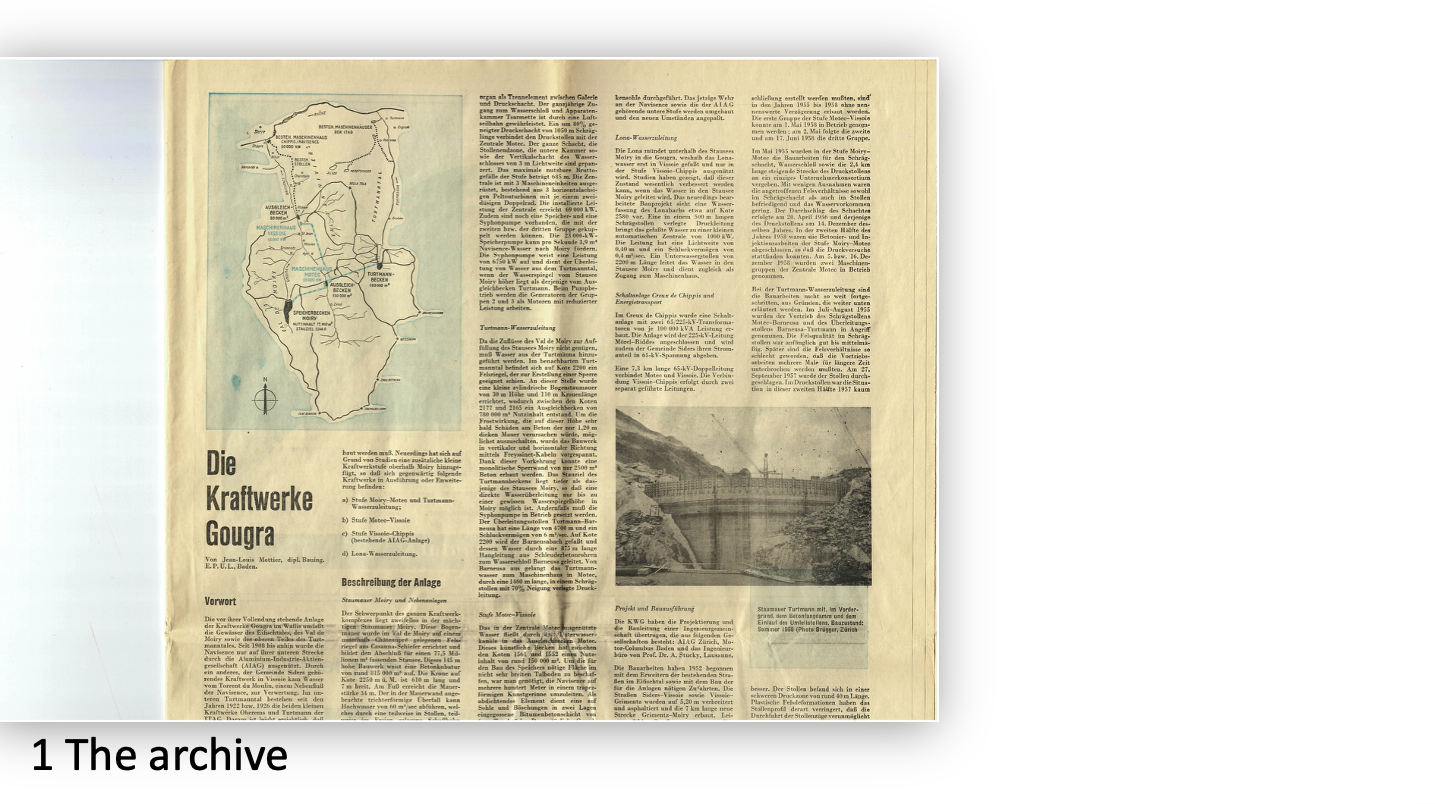
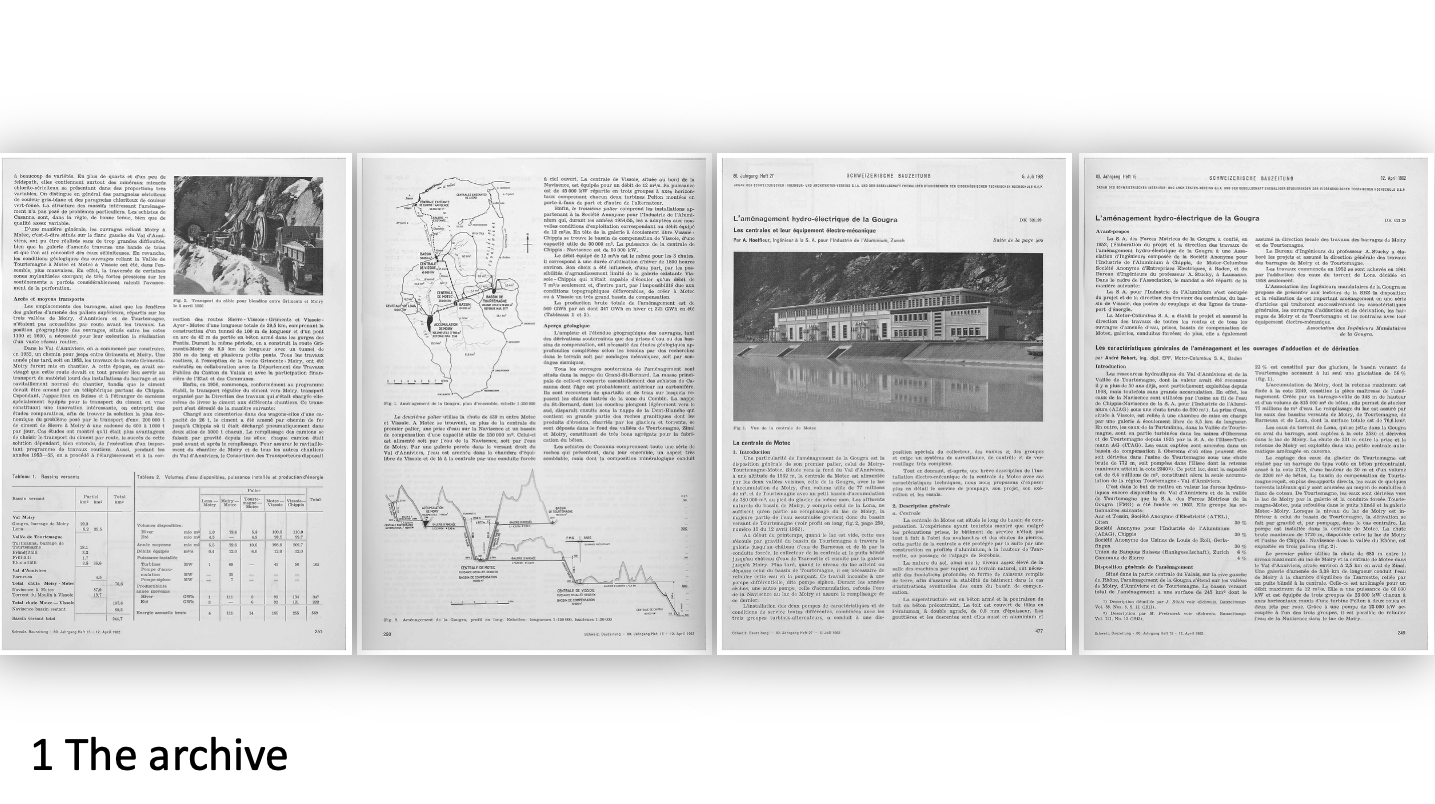
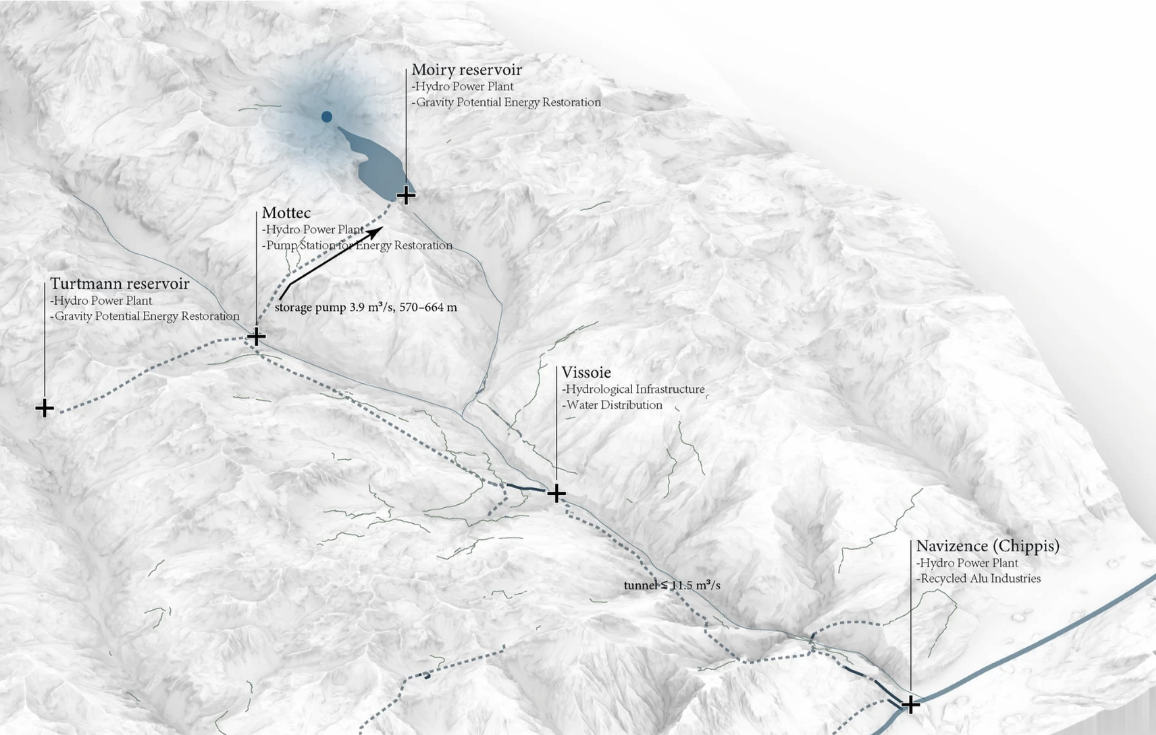
A study of water infrastructure along the upper and lower reaches of the Gougra River in Valais, Switzerland, examining how energy infrastructure has transformed the landscape at the valley scale over time.
The research uses human-supervised multi-agent collaboration for source collection, cross-verification, and the structuring of vector graphics data.
Projects / 03
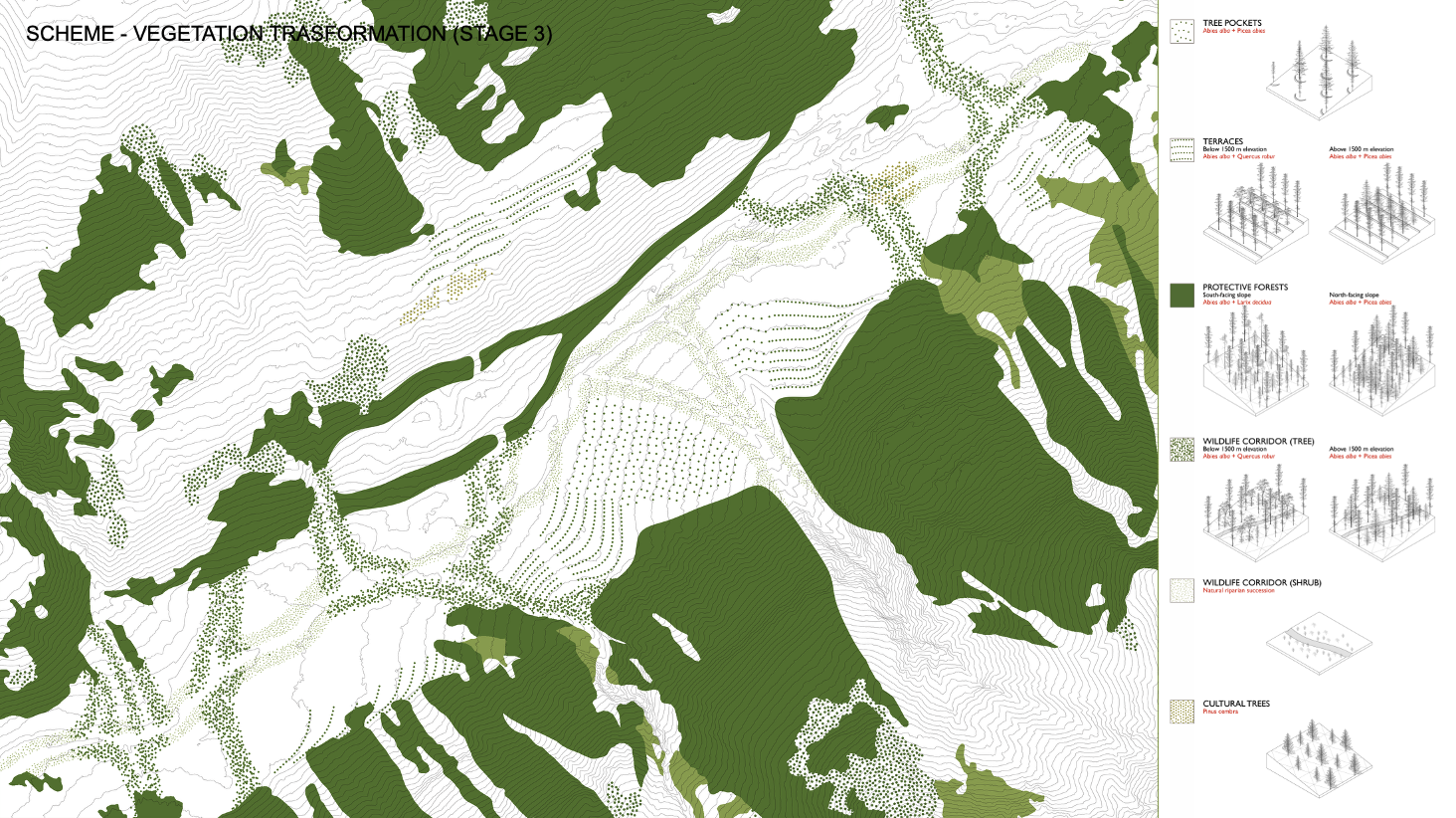
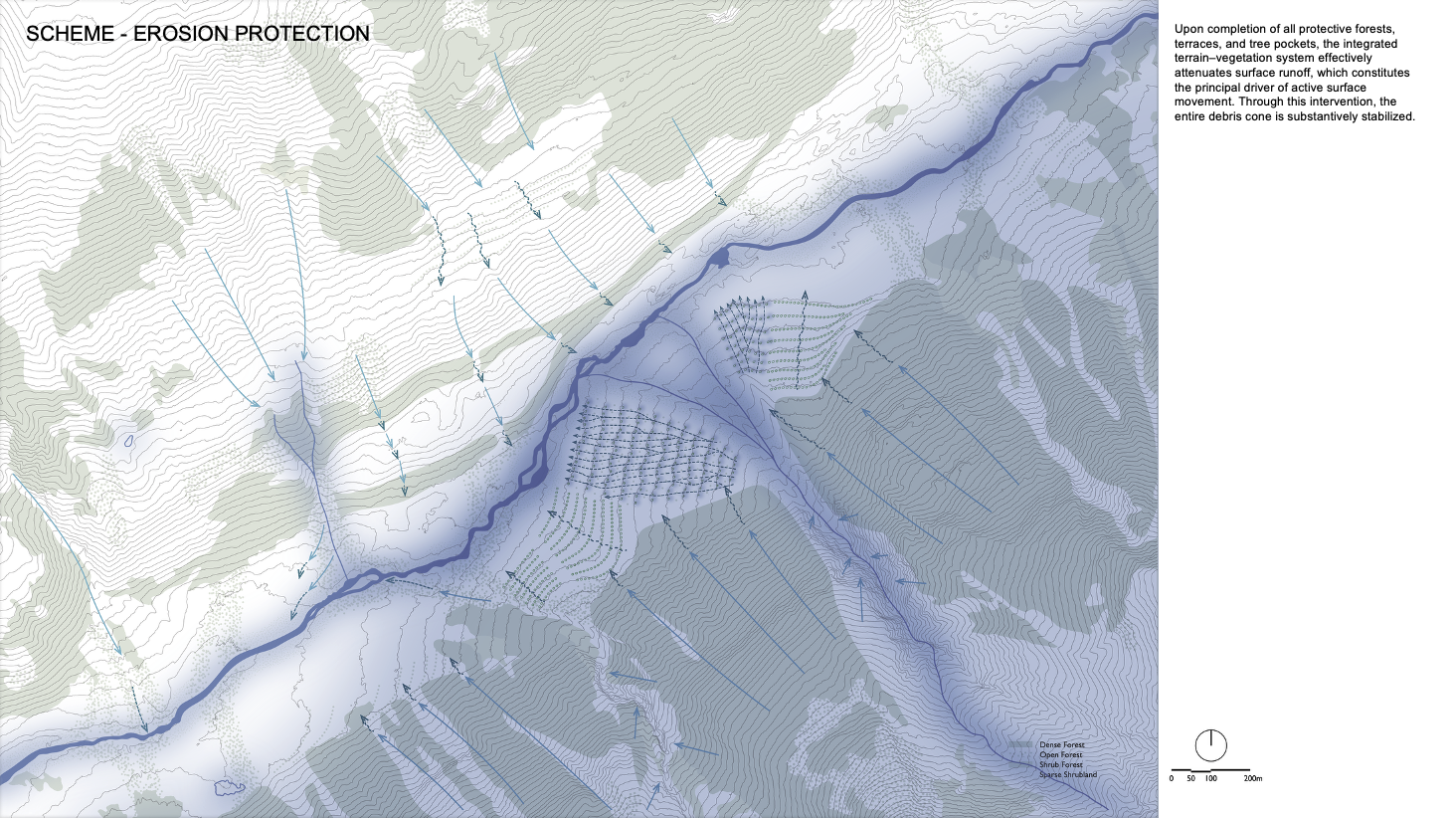
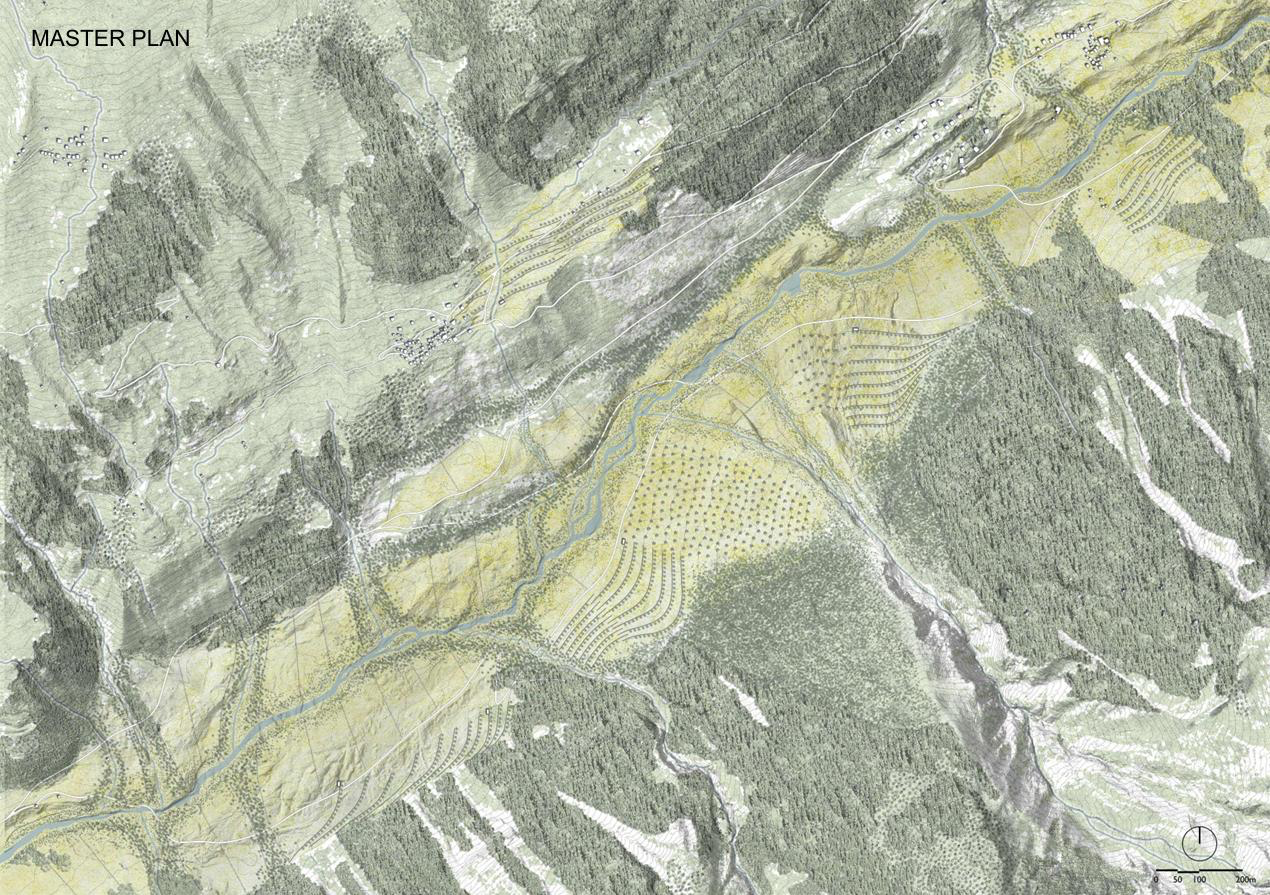
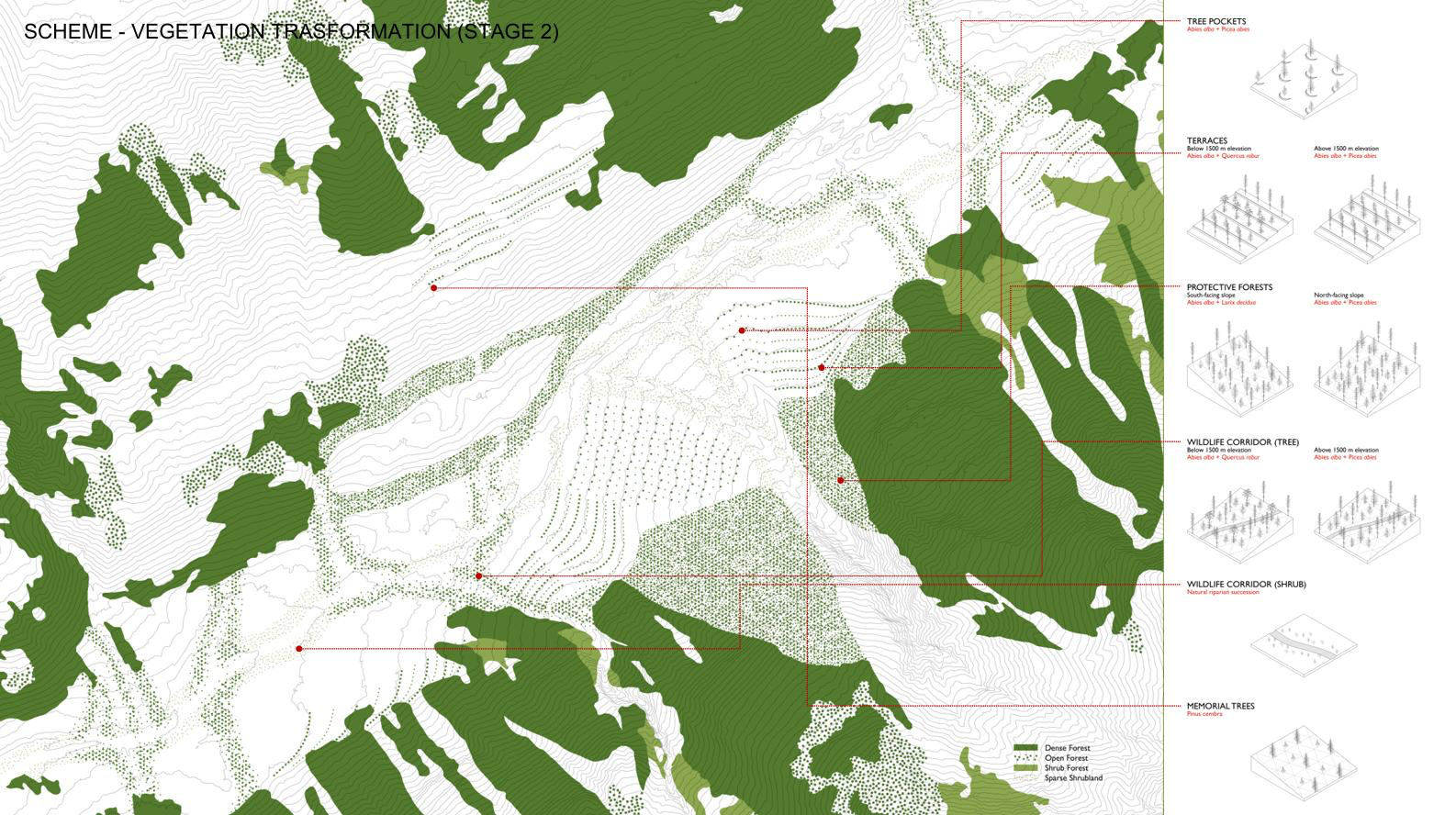
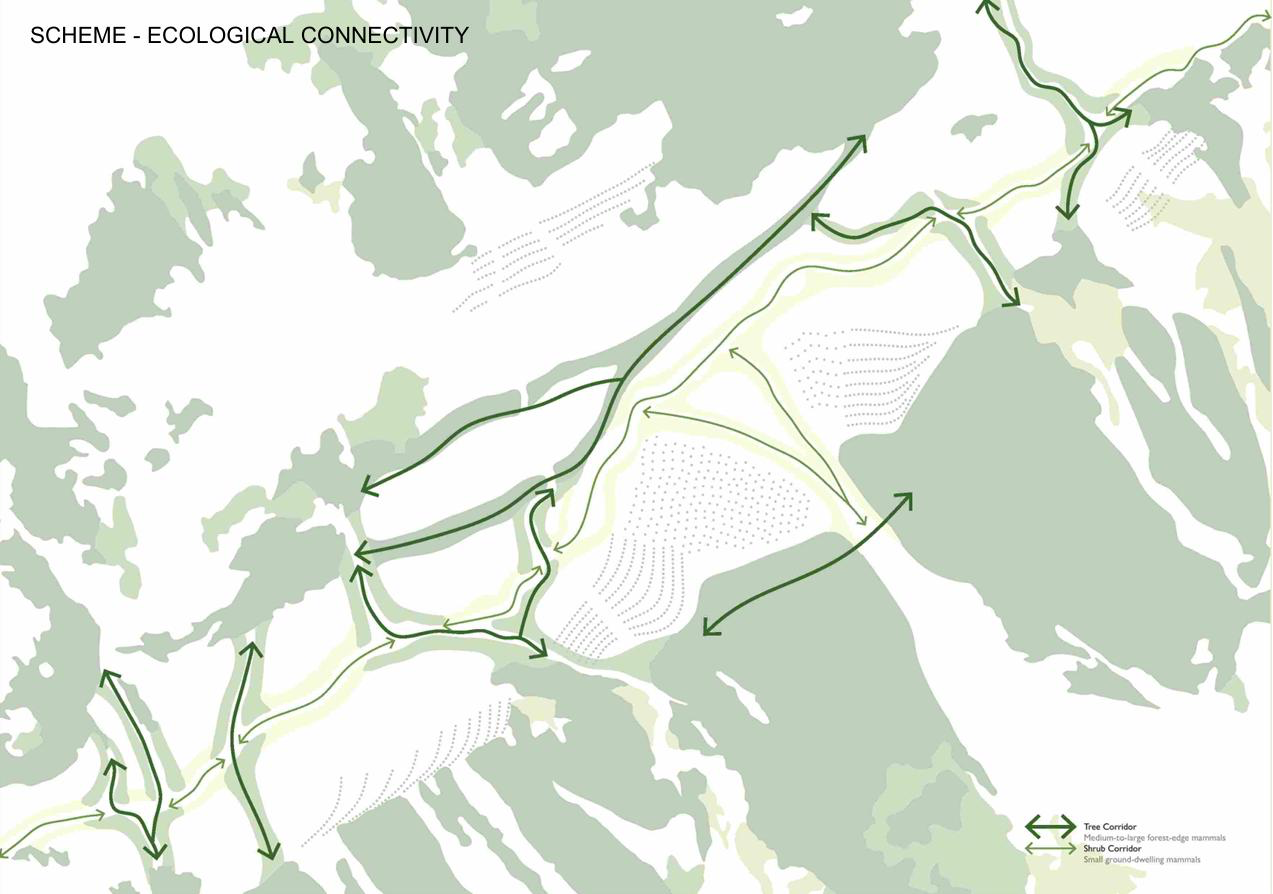
Following large-scale forest destruction in Blatten, this proposal translates forest restoration obligations into a landscape strategy integrating protection, ecological connectivity and Alpine pastoral heritage. It prioritizes natural regeneration, complemented by targeted planting where unstable debris, poor soils and limited water impede recovery.
Three spatial interventions structure the scheme. Protective forest belts above pastures seek to reduce exposure to natural hazards. Microtopographic interventions create more favorable conditions for vegetation establishment. Ecological corridors reconnect fragmented habitats and incorporate riverbank vegetation.
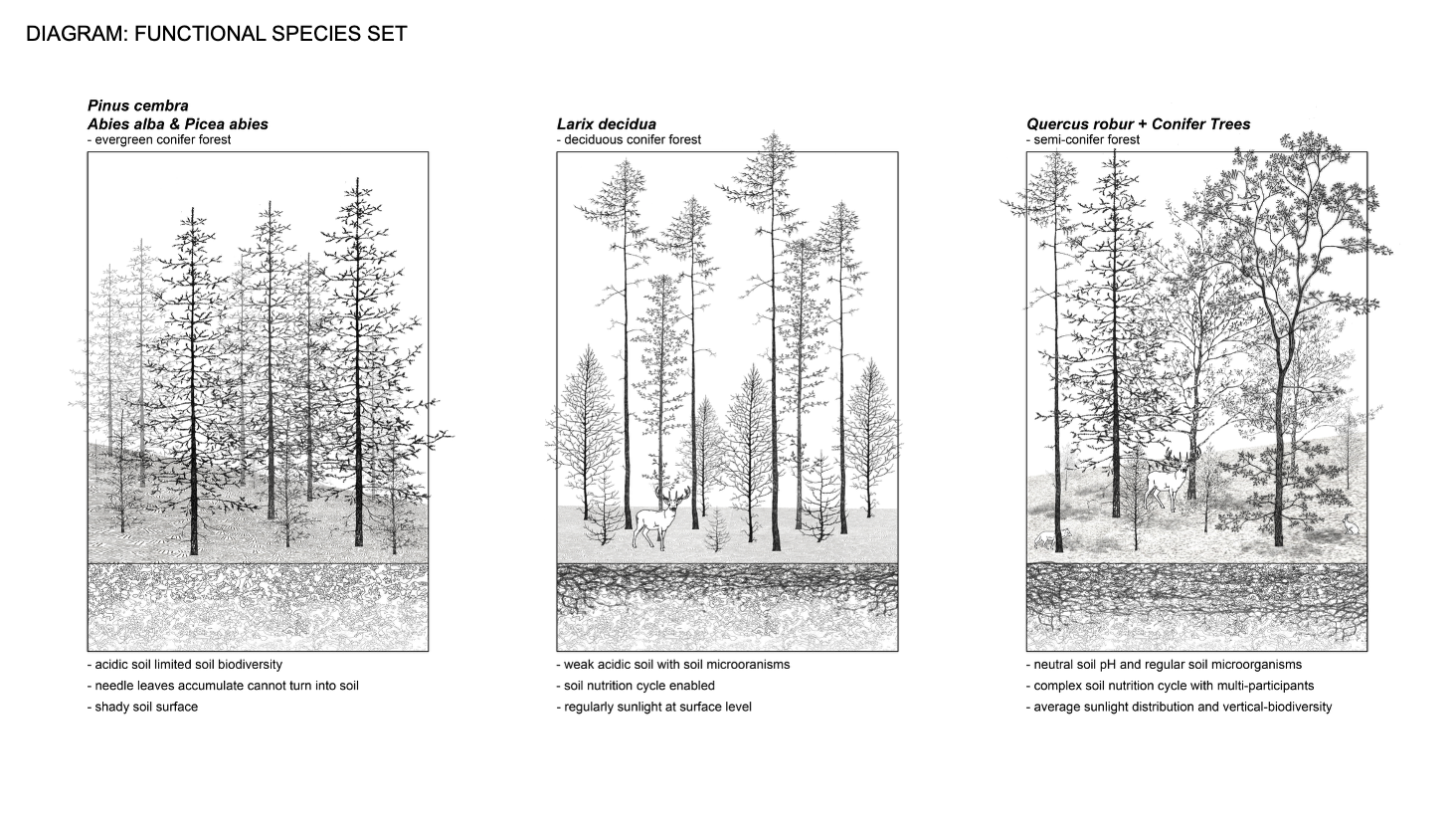
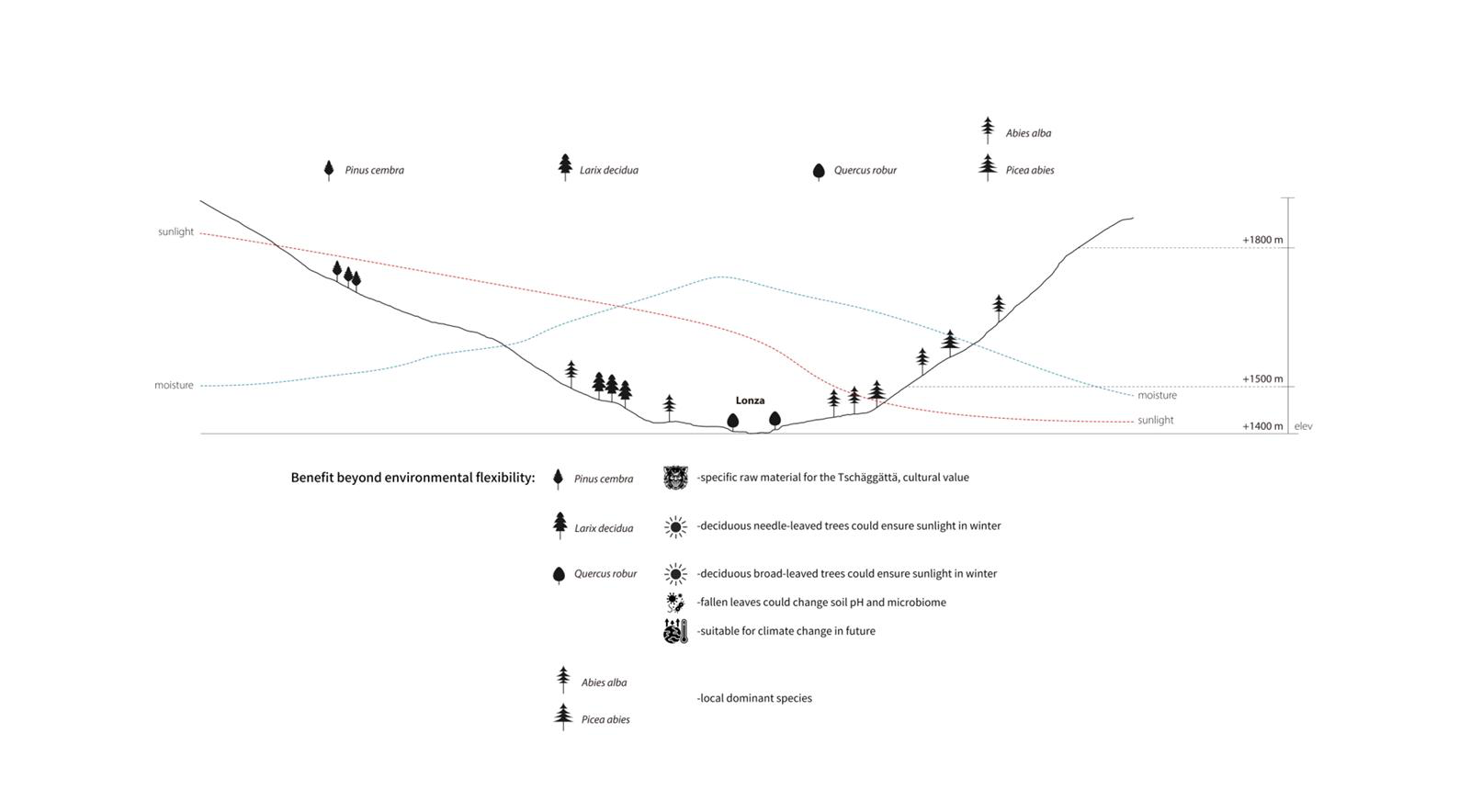
Species selection centers on locally occurring silver fir (Abies alba), Norway spruce (Picea abies) and Swiss stone pine (Pinus cembra). The proposal also explores pedunculate oak (Quercus robur) as part of its response to climate change and soil conditions.
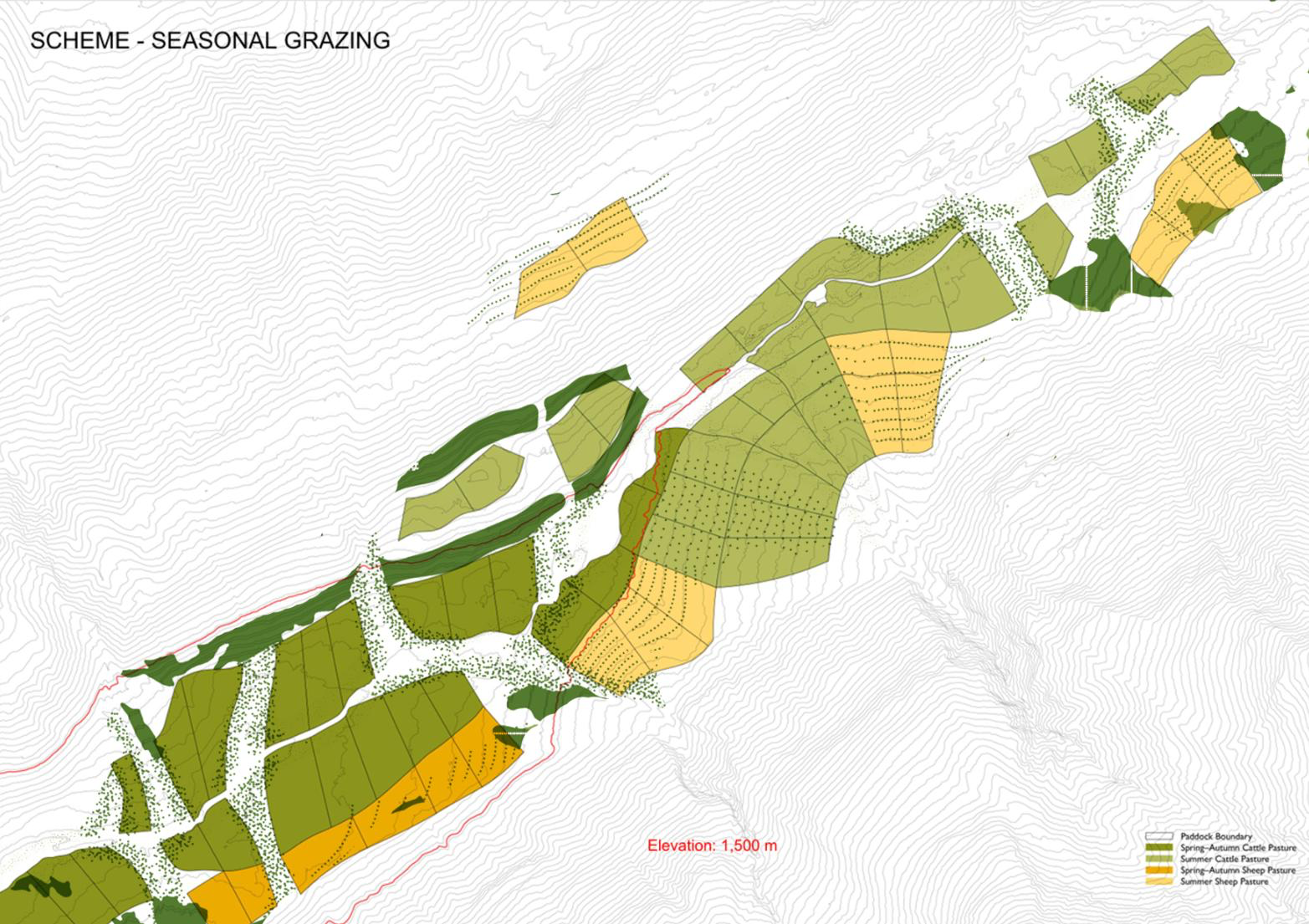
Long-term management maintains a mosaic of woodland and open grazing areas inspired by wooded pastures, or Wytweiden. Advance zoning, controlled canopy development and continued grazing are proposed to balance forest recovery, productive use and cultural landscape conservation. Together, these measures frame reconstruction as an evolving landscape system requiring sustained stewardship.
Tools / 01
A sub-agent framework that accelerates academic paper writing through multi-agent collaboration. With a Web of Science (WoS) API key and an API key for an LLM provider, it autonomously collects relevant literature in batches and visualizes citation networks.
Tools / 02
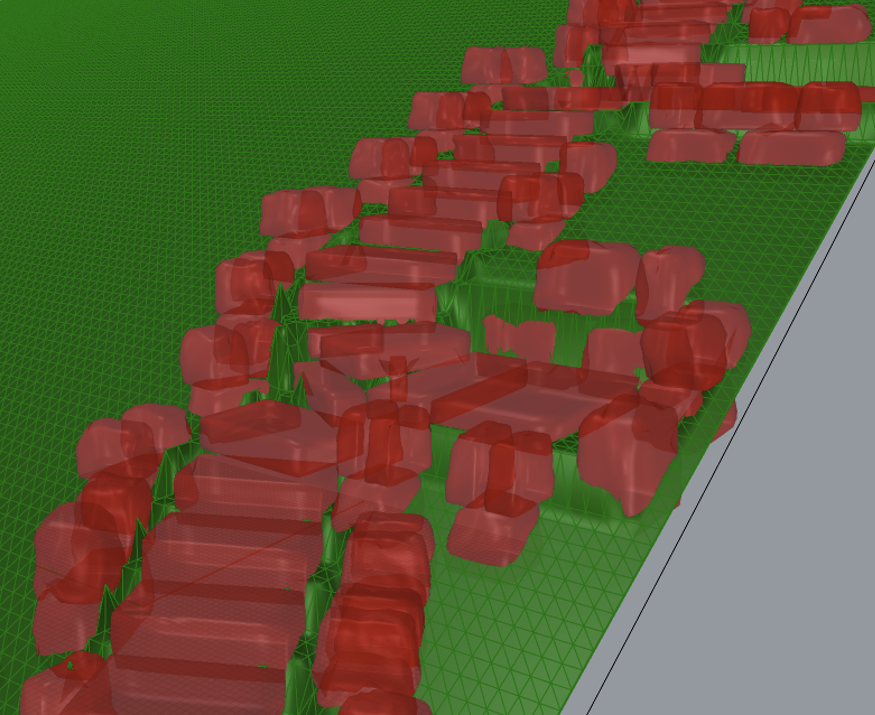
A visualization engine developed to support the auditability of GIS-based multi-criteria decision analysis (GIS-MCDA).
Tools / 03
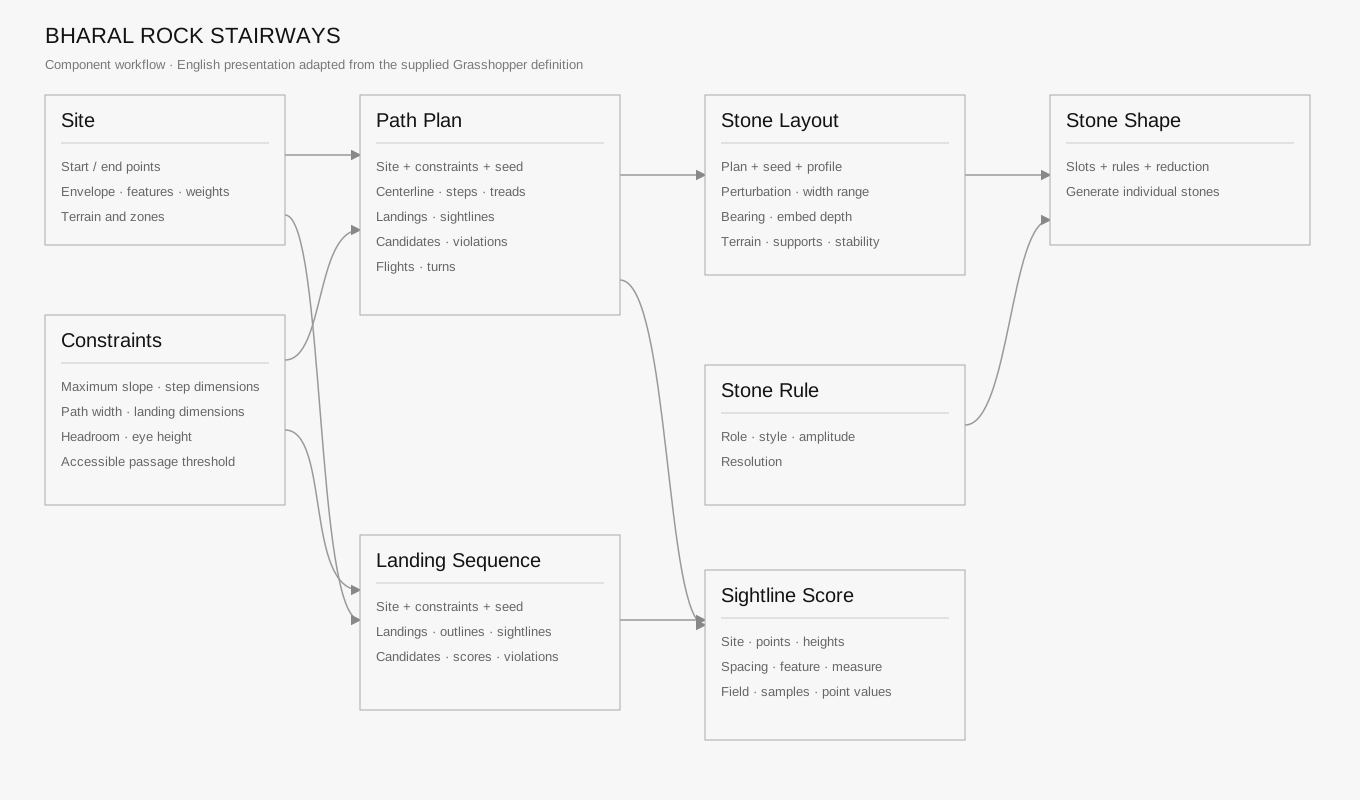
A Grasshopper plug-in for Rhino that combines craft knowledge with parametric generation to analyze and generate stone stairways in classical Chinese gardens.
Currently in development. For early access or development collaboration, please contact the author.